Why Commissioned Art Still Shapes the Future of Portraiture

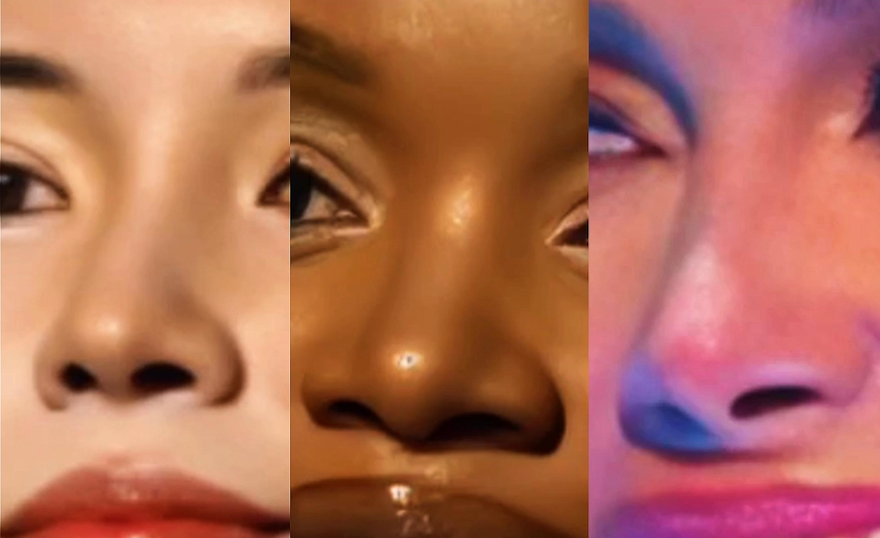
The tradition of commissioned art has defined cultural history for centuries, from aristocratic portraits to groundbreaking contemporary works. Today, that legacy continues in new forms. This project extends the lineage of commissioned portraiture while engaging directly with the influence of AI on identity. Although AI alters the face and body by smoothing, beautifying, and standardizing features, it leaves the meaningful elements untouched. Clothing, objects, jewelry, animals, and settings become anchors of truth, allowing each family member to shape how they are seen.
By foregrounding these symbolic choices, commissioned art becomes a collaborative process rather than a passive depiction. The subjects actively construct meaning in the areas the algorithm cannot control, echoing historical precedents where portrait details signaled status, memory, and personal narrative. The Whitney Museum’s recent acquisition of Facetune Portraits positions this work within the canon of contemporary art, highlighting how portraiture evolves alongside technology.
In this project, commissioned art becomes both historical and modern, revealing how families can assert presence, identity, and story even within algorithmic systems.


Comments